Learn
Clear guides on nakshatras, rashis, muhurtham, and home practice, written for families, not astrology jargon.
How the day and the chart are used
How a panchang day is actually read
Five limbs, not one word. Tithi, vara, nakshatra, yoga, karana. A day is their argument with each other.
What Abhijit muhurtham is for
Abhijit is a short window around local midday, counted from sunrise. It is a traditional relief valve, not a universal yes.
Rahu kalam, and what people actually pause
Rahu kalam is one and a half hours of the day, shifting with the weekday. People pause beginnings. They do not pause a hospital.
Choosing a wedding muhurtham without panic
A wedding day is a filtered panchang, plus two families. The filter is traditional. The families are the ones who have to eat together afterward.
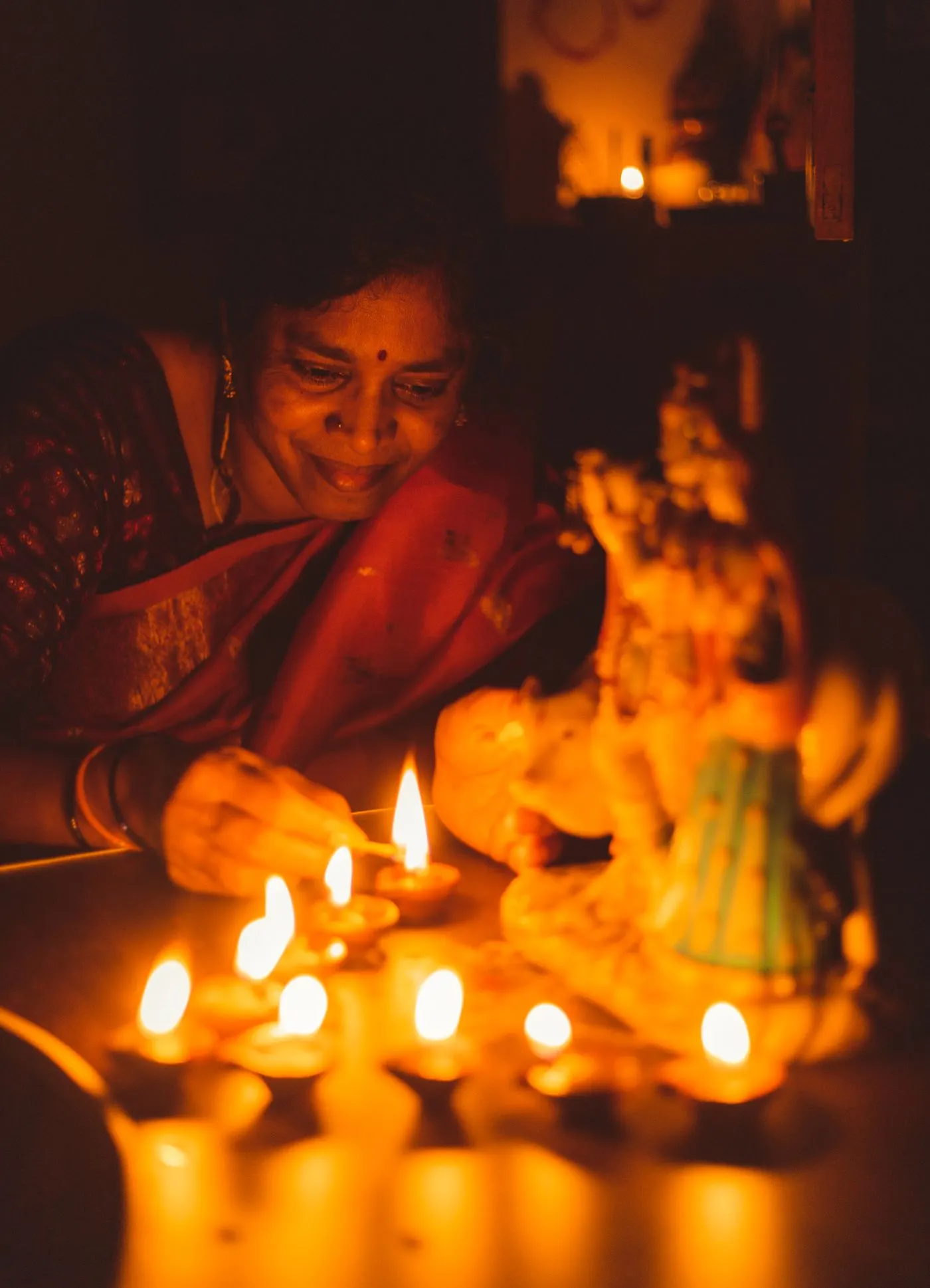
Griha pravesham without turning it into a crisis
Entering a house is a beginning. The useful questions are the day, the hour, and whether anyone has to sleep there tonight regardless.
Namakarana, the naming, kept small
A child's name is given on a day the family can gather. The star of the child and the tithi of the rite are both in the conversation. Neither replaces the other.
Reading a birth chart slowly
A chart is a sky at a minute, at a place. Lagna, Moon, the nine grahas, the houses, the dasha. Then, and only then, a sentence.
Lagna is not the sun sign
The lagna is the sign rising on the eastern horizon at birth. The sun sign is where the Sun was. They meet only sometimes.
Vimshottari dasha, in plain speech
A 120-year clock of nine planetary periods, started from the Moon's nakshatra. The mahadasha is the long chapter. The antardasha is the section inside it.
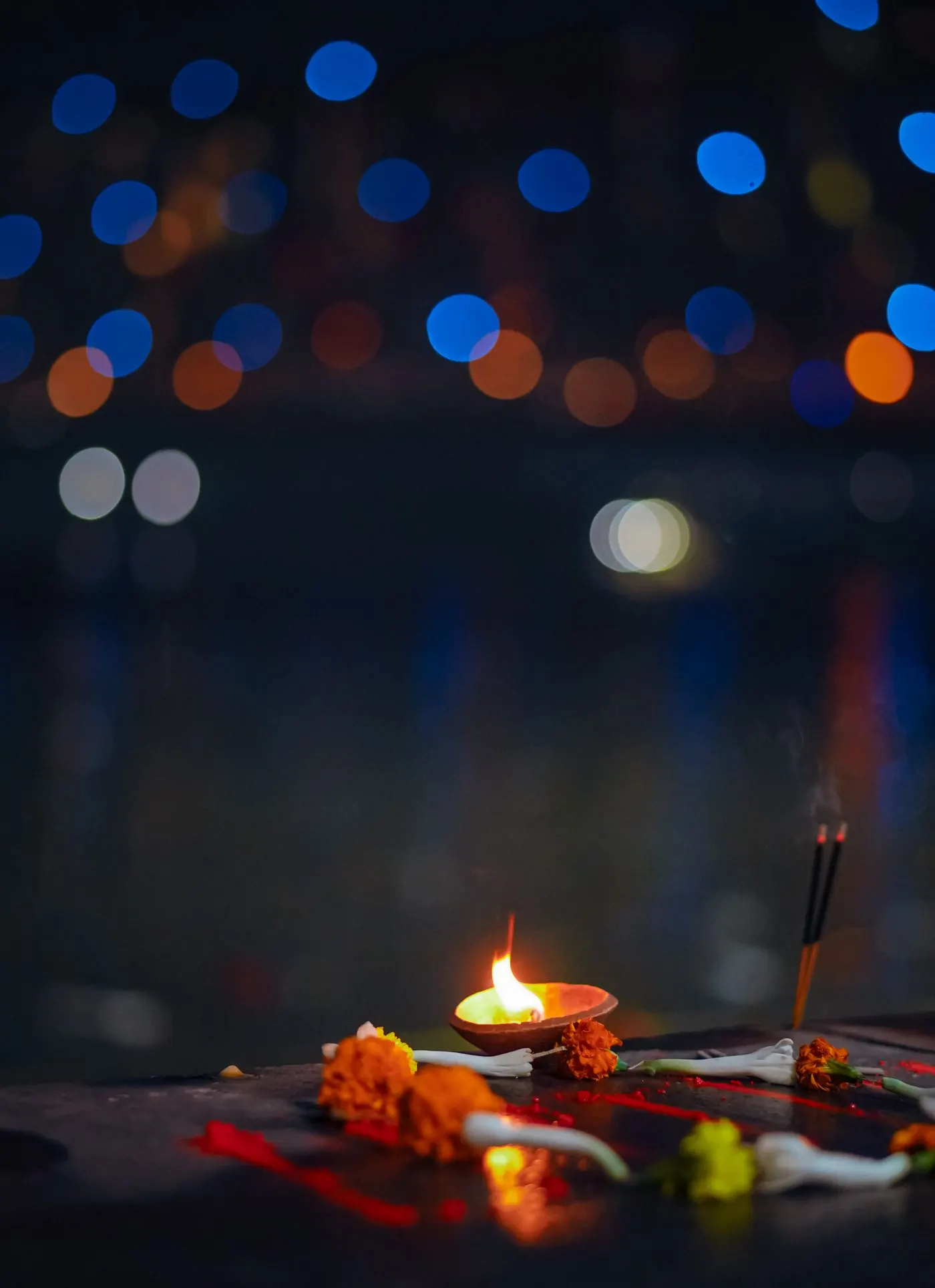
Lighting a lamp at home
The evening lamp is a household act. The verse many people say is widely printed. A single chapter-and-verse claim is not made here.
A household Ganesha puja, no invented steps
The app will not invent a sixteen-step puja. Where a researched rite exists, the ritual engine keeps your place if you stop to ask a question.
Ekadashi as a householder meets it
Ekadashi is the eleventh tithi, twice in a lunar month. Fasting customs differ by family and by sampradaya. The tithi itself does not.
What Pocket Pandit will not invent
No invented verse, no invented birth time, no medical advice, no curse. Uncertainty is said out loud.
The twenty-seven lunar mansions
Ashwini, the star people ask about before a journey
In an ordinary panchang, Ashwini is the first of the twenty-seven lunar mansions. Households ask about it when someone is setting out, or when a treatment is about to begin.
Bharani, and why elders lower their voice
Bharani is the second mansion. Almanacs give it to Yama. Families treat it as a heavy day for beginnings, and a fitting day for what must be carried through.
Krittika, the cutting star
Krittika is associated with Agni in the standard list. People notice it when something has to be cut, cooked, or decided cleanly.
Rohini, the mansion people like for planting
Rohini is the fourth mansion. Almanacs call it fertile. Farmers and families planning a house still look for it.
Mrigashira, the searching star
Mrigashira is the deer's head. People associate it with looking, travelling a little, and not settling too fast.
Ardra, the storm star
Ardra belongs to Rudra in the common list. A tear, a clearing rain, a day that is not for a wedding procession.
Punarvasu, the return
Punarvasu means a return to dwelling. Aditi is the deity in the usual list. People choose it to come home.
Pushya, the star a grandmother trusts
Pushya is the nourishing mansion. Brihaspati is the deity in the common table. It is the star most often waved through for a good beginning.
Ashlesha, the coiled star
Ashlesha is given to the Nagas in the usual table. It is treated carefully for weddings, and it is not a slur on anyone born then.
Magha, the seat of the fathers
Magha is the tenth mansion. The pitris are the deities in the common list. It is a star for ancestors, throne, and lineage, not for a casual inauguration.
Purva Phalguni, the earlier fig tree
The earlier of the two Phalguni mansions. Bhaga, the share of delight, is the deity usually named. Rest, music, and a wedding's softer hours gather here.
Uttara Phalguni, the later one, and the promise
Aryaman is the deity named for the later Phalguni. Contracts, patronage, and the part of marriage that is a bond rather than a party sit here.
Hasta, the hand
Hasta is the hand. Savitr is the deity in the usual list. Craft, skill with the fingers, and a careful purchase gather under this name.
Chitra, the bright crafted one
Chitra is the bright star, Spica to the West, Tvashtar or Vishvakarma in the Indian lists. Form, design, and a made thing.
Swati, the star that moves by itself
Swati is Arcturus to the West and Vayu's mansion in the Indian table. A young plant that bends and does not break.
Vishakha, the forked branch
Vishakha is the forked one. Indra and Agni share it in the usual table. A goal with two roads toward it.
Anuradha, the star of friendship
Anuradha follows Vishakha. Mitra is the deity in the common list. Devotion that keeps a friendship, and a journey with companions.
Jyeshtha, the eldest
Jyeshtha is the eldest star in the name itself. Indra is the deity usually given. Authority, an elder sibling, and the end of a thing.
Mula, the root
Mula is the root. Nirriti is the deity named in the common table. It is approached for uprooting, and avoided for a careless first stone.
Purva Ashadha, the earlier victory
The earlier Ashadha. Apah, the waters, are the deity in the usual list. A declaration, a bath, a campaign that has not finished.
Uttara Ashadha, the victory that stays
The later Ashadha. The Vishvedevas are the deities usually named. A lasting settlement, after the announcement.
Shravana, the hearing
Shravana is hearing. Vishnu is the deity in the usual list. Learning, listening, and the day of many Onam and Shravan observances.
Dhanishta, the drum
Dhanishta is the richest drum. The Vasus are the deities usually named. Rhythm, wealth that moves, and a procession.
Shatabhisha, a hundred physicians
Shatabhisha means a hundred healers. Varuna is the deity in the usual list. Healing, secrecy, and the empty quarter of the sky.
Purva Bhadrapada, the burning leg of the cot
The earlier Bhadrapada. Aja Ekapada is the deity named, a one-footed fire. Austerity, a hard vow, a funeral fire's cousin.
Uttara Bhadrapada, the depth under the boat
The later Bhadrapada. Ahirbudhnya, the serpent of the deep, is the deity usually named. Stillness after the burning.
Revati, the last, and the safe arrival
Revati closes the twenty-seven. Pushan, who guards the road, is the deity in the usual list. A journey's end, a herd brought in, a gentle last star.
The twelve signs
Mesha, the ram, and why it is not your sun sign
Mesha is Aries in the sidereal zodiac. In this tradition the rising sign, the lagna, leads the chart. The Sun's sign is one fact among nine.
Vrishabha, the bull
Vrishabha is the sidereal bull. Venus rules it in the usual scheme. Steadiness is the classroom gloss, and gloss is all it is.
Mithuna, the pair
Mithuna is the twins. Mercury rules the sign in the standard scheme. Speech, a pair of errands, a street with two shops.
Karka, the crab and the house
Karka is the crab. The Moon rules it. Homes, mothers, and the tide of a mood are the classroom topics, not a verdict.
Simha, the lion, without the throne
Simha is the lion. The Sun rules it. Authority is the topic textbooks name. A topic is not an award.
Kanya, the careful sign
Kanya is the sidereal virgin, a name about sorting more than about a person. Mercury rules it. Detail, illness, and craft.
Tula, the scale
Tula is the scale. Venus rules it. Agreements, a partner, and the attempt to weigh two sides.
Vrishchika, the scorpion, and the eighth
Vrishchika is the scorpion. Mars rules it in the usual scheme. The eighth sign of the natural order, so the textbooks talk about what is hidden. Hidden is not dirty.
Dhanu, the bow
Dhanu is the bow. Jupiter rules it. Teachers, a long road, and the ninth-sign topics of the natural order.
Makara, the mountain goat
Makara is the sea-goat of the old pictures, and Saturn rules it. Work that takes years. The tenth sign of the natural order.
Kumbha, the pot
Kumbha is the water pot. Saturn rules it in the standard scheme, and the natural eleventh is gains and the circle of people.
Meena, the two fish
Meena is the last sign, two fish. Jupiter rules it. The natural twelfth: endings, sleep, expenditure, and what is given away.